If your business depends on machines, then you already know how important it is to keep everything running without a break. One small leak or a burst hose can shut down a whole operation. This is why choosing the right hydraulic hoses and fittings is not something to rush. In this guide, we will walk you through everything you need to know before you buy, so you can protect your equipment, your workers, and your budget.
What Are Hydraulic Hoses and Fittings?
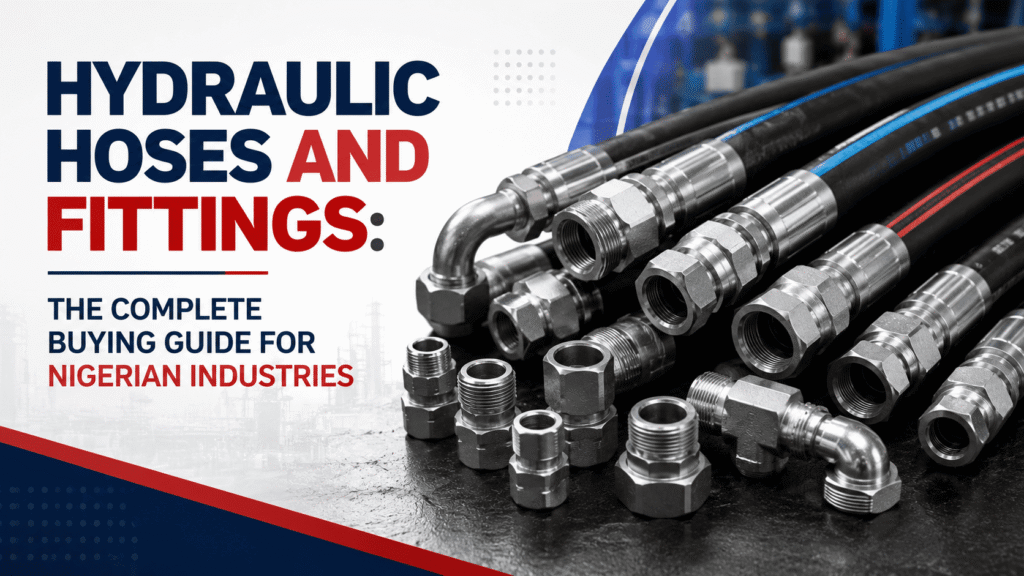
First, let us start with the basics. Hydraulic hoses are flexible tubes that carry pressurized fluid from one part of a machine to another. Fittings, on the other hand, are the connectors that join hoses to machines, pumps, and cylinders. Together, hydraulic hoses and fittings form the circulatory system of any hydraulic machine. Without them, power cannot move from the pump to the parts that need it.
These components are used across many industries in Nigeria, including construction, agriculture, manufacturing, oil and gas, and marine operations. Because they carry fluid under high pressure, they must be built to handle stress, heat, and constant movement.
Why Choosing the Right Hydraulic Hoses and Fittings Matters
Many equipment failures do not happen because of the machine itself. Instead, they happen because of a poor hose or a mismatched fitting. When you choose the wrong size or material, you risk leaks, pressure loss, and even dangerous ruptures. On top of that, downtime from equipment failure can cost a business far more than the price of a quality hose.
That is why picking the correct hydraulic hoses and fittings from the start will save you time, money, and stress in the long run. Furthermore, it helps extend the life of your entire hydraulic system.
Key Factors to Consider Before You Buy
Before you purchase any hose or fitting, take a moment to think through these factors. Doing so will help you avoid costly mistakes later on.
1. Pressure Rating
Every hose has a maximum pressure it can handle safely. Therefore, always match the hose rating to the pressure your machine produces. If you choose a hose with a lower rating than needed, it may burst under strain.
2. Hose Size and Length
Next, consider the diameter and length of the hose. A hose that is too narrow can restrict flow, while one that is too long can create unnecessary drag. As a result, both size and length directly affect how efficiently your system performs.
3. Material Compatibility
Also, check that the hose material can resist the type of fluid running through it. For example, some hoses are made for oil-based fluids, while others are built for water, chemicals, or fuel. Using the wrong material can cause the hose to wear out quickly or fail altogether.
4. Temperature Range
In addition, think about the environment where the hose will be used. Extreme heat or cold can affect how flexible and durable a hose remains over time. So, always check the temperature range before making a final decision.
5. Fitting Type
Finally, make sure the fittings match your hose ends and machine connections properly. A poor fit can lead to leaks, even if the hose itself is high quality. This is why sourcing hydraulic hoses and fittings from a trusted supplier who understands compatibility is so important.
Common Mistakes to Avoid
Even experienced operators sometimes make errors when selecting hoses and fittings. Here are a few mistakes you should watch out for.
- Buying based on price alone instead of quality and specification
- Ignoring the manufacturer’s recommended bend radius
- Skipping regular inspection and maintenance
- Using mismatched brands for hoses and fittings
- Failing to replace worn hoses before they fail completely
Avoiding these mistakes will help your hydraulic system stay safe and reliable for longer.
How to Maintain Your Hydraulic Hoses and Fittings
Once you have installed the right hoses and fittings, maintenance becomes the next priority. Regularly inspect your hoses for cracks, bulges, or leaks. Additionally, keep hoses away from sharp edges and excessive heat sources. Cleaning connection points and checking for proper torque on fittings can also prevent unexpected failures.
According to the Occupational Safety and Health Administration (OSHA), routine equipment inspection is a key part of preventing workplace accidents caused by mechanical failure. This shows that maintenance is not just about saving money. It is also about protecting the people who operate your machines every day.
Why Work With a Trusted Supplier
Because hydraulic systems carry so much responsibility, it is wise to work with a supplier who understands both the products and the industries they serve. A trusted supplier will guide you toward the right specifications, help you avoid guesswork, and offer after-sales support when you need it most.
At Ebice Hoses Limited, we supply premium hydraulic hoses and a wide range of fittings built for industrial performance across Nigeria. Our team also offers hose assembly, fabrication, and maintenance services to keep your equipment running smoothly. If you already own hydraulic equipment, you may also find our guide on how to extend the life of your hydraulic hoses helpful for day to day care.
Final Thoughts
Choosing the right hydraulic hoses and fittings is one of the most important decisions you can make for your machinery. From pressure ratings to material compatibility, every detail matters. By taking the time to choose wisely and maintain your system properly, you will reduce downtime, cut costs, and keep your operations running safely.
If you are ready to upgrade your equipment with reliable, high performance components, our team is here to help.
Ready to find the right hydraulic hoses and fittings for your business? Request a quote today and let our experts guide you to the best solution for your machinery.
Suggested Anchor Text: “quality hydraulic hoses and fittings” linking to https://ebicehoses.com/product/
External Reference:
- Occupational Safety and Health Administration (OSHA) – osha.gov, on preventive equipment maintenance and workplace safety.