
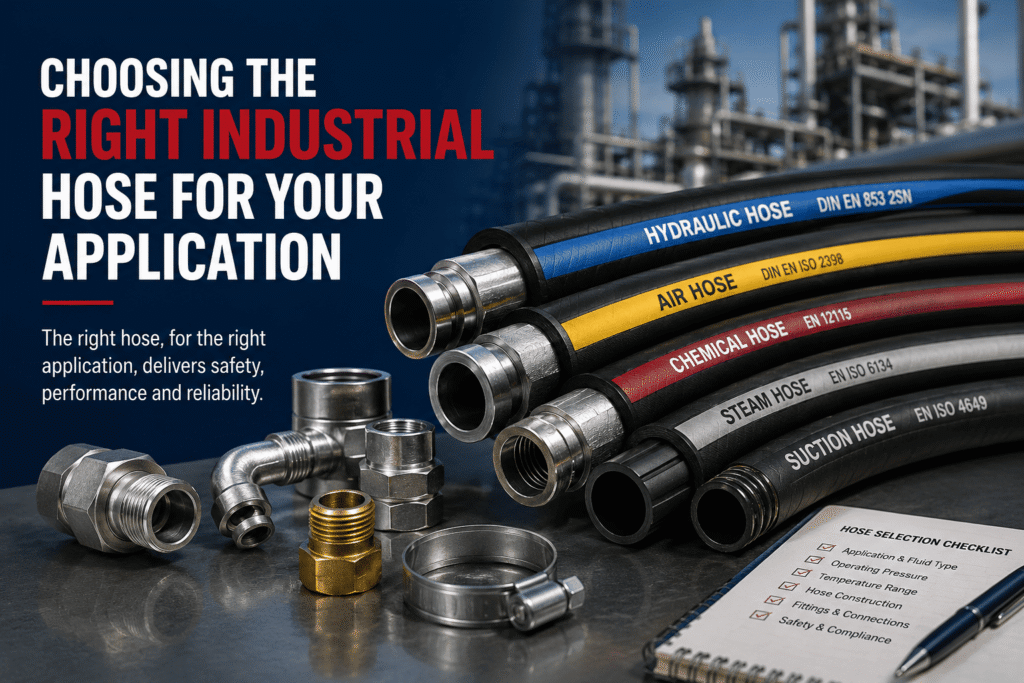
Selecting the right industrial hose is one of the most important decisions for businesses that rely on fluid transfer systems. Whether you operate in construction, manufacturing, agriculture, oil and gas, mining, marine, or food processing, the hose you choose directly impacts safety, efficiency, productivity, and maintenance costs.
An incorrectly selected hose can lead to leaks, equipment failure, unplanned downtime, and expensive repairs. On the other hand, choosing the right hose improves system performance, extends equipment life, and reduces operational risks.
With so many hose types, materials, and pressure ratings available, making the right choice can seem overwhelming. This guide explains the key factors to consider so you can select the best industrial hose for your specific application.
Why Choosing the Right Industrial Hose Matters
Industrial hoses are designed for different applications and operating conditions. A hose that performs well in one industry may fail quickly in another due to differences in pressure, temperature, chemicals, or abrasion.
Choosing the correct hose helps you:
- Improve workplace safety
- Reduce equipment downtime
- Increase operational efficiency
- Prevent fluid leaks
- Lower maintenance costs
- Extend equipment lifespan
Investing in the right hose from the beginning is far more cost-effective than replacing failed hoses or repairing damaged equipment.
Understand Your Industrial Hose Application
The first step in selecting the right hose is understanding how it will be used.
Ask the following questions:
- What fluid will pass through the hose?
- What pressure will the hose operate under?
- What is the operating temperature?
- Will the hose be exposed to chemicals?
- Is flexibility important?
- Will the hose be dragged across rough surfaces?
- Is the hose intended for indoor or outdoor use?
Answering these questions helps narrow your options and ensures the hose performs safely throughout its service life.
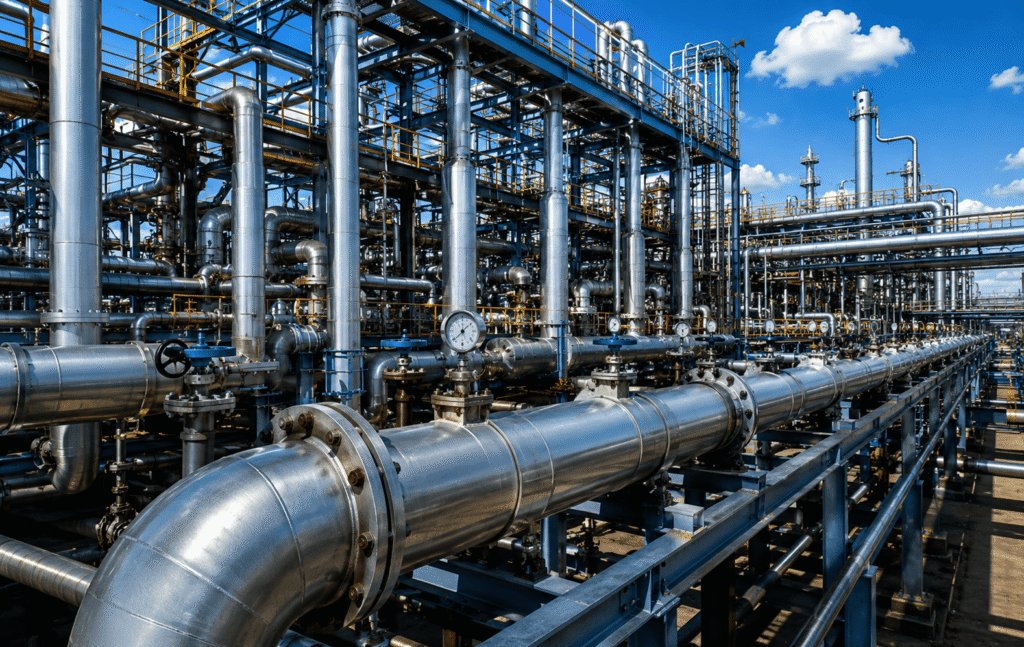
Consider the Material of the Hose
Different hose materials are designed for different environments.
Common materials include:
Rubber
Rubber hoses are durable, flexible, and resistant to abrasion, making them suitable for hydraulic systems, construction, and manufacturing.
PVC
PVC hoses are lightweight, affordable, and ideal for water transfer, light chemicals, and general industrial use.
Thermoplastic
Thermoplastic hoses offer excellent flexibility while handling high pressures and harsh environments.
Stainless Steel
Metal hoses are commonly used where extremely high temperatures or corrosive substances are present.
Choosing the correct material prevents premature wear and ensures long-term reliability.
Check Pressure Ratings
Every industrial hose is manufactured with a maximum working pressure.
Selecting a hose with an inadequate pressure rating can result in:
- Burst hoses
- Hydraulic failure
- Equipment damage
- Workplace injuries
Always verify:
- Working pressure
- Burst pressure
- Pressure spikes
- Safety factors
Never exceed the manufacturer’s recommended pressure limits.
Evaluate Temperature Requirements
Temperature plays a significant role in hose performance.
Extremely high temperatures can soften certain hose materials, while freezing temperatures may cause cracking.
Consider both:
- Internal fluid temperature
- External environmental temperature
Choosing a hose designed for your operating conditions improves durability and safety.
Choose the Correct Industrial Hose Diameter
The inside diameter of the hose affects flow rate and system efficiency.
A hose that is too small may restrict flow and increase pressure loss.
A hose that is too large can reduce system performance and increase costs unnecessarily.
Proper sizing helps maximize equipment efficiency while reducing energy consumption.
Consider Chemical Compatibility
If your operation involves chemicals, oils, fuels, solvents, or corrosive liquids, chemical compatibility is essential.
Using the wrong hose material can lead to:
- Hose degradation
- Contamination
- Leaks
- Equipment damage
The Occupational Safety and Health Administration (OSHA) recommends using equipment suitable for the chemicals being handled to maintain workplace safety.
Select the Right Industrial Hose for Environmental Conditions
Industrial environments vary significantly.
Your hose may be exposed to:
- UV rays
- Moisture
- Dust
- Mud
- Oil
- Sharp surfaces
- Heavy equipment traffic
These conditions influence hose lifespan.
For demanding environments, select hoses with high abrasion resistance and reinforced outer covers.
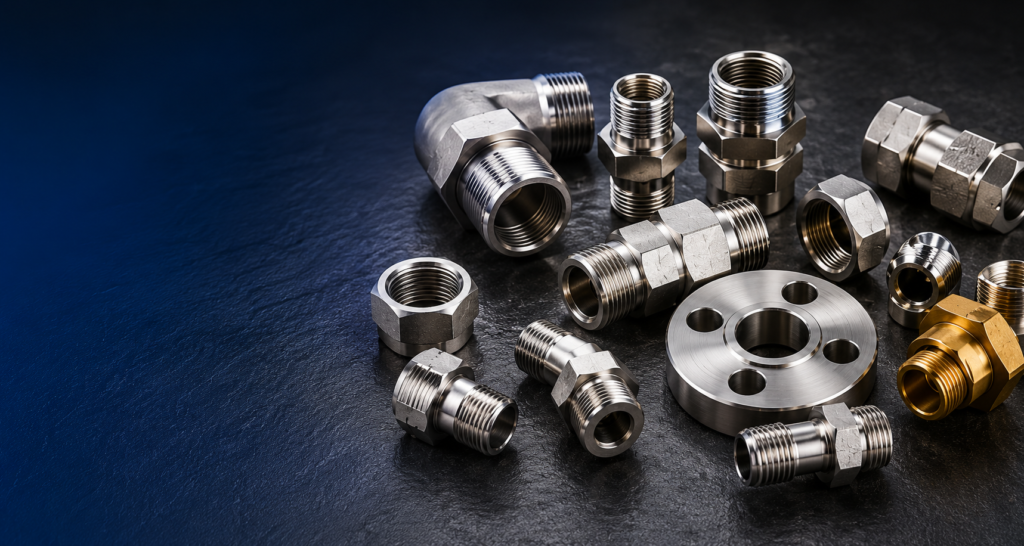
Don’t Ignore Hose Fittings and Connections
Even the best hose can fail if paired with incompatible fittings.
Ensure that:
- Hose fittings match system specifications
- Connections are installed correctly
- Fittings are inspected regularly
- Damaged couplings are replaced immediately
Proper hose assemblies reduce leaks and improve overall system reliability.
Perform Regular Inspection and Maintenance
Routine inspections help identify wear before it leads to costly failures.
Look for:
- Cracks
- Bulges
- Abrasion
- Loose fittings
- Oil leaks
- Kinks
- Corrosion
Preventive maintenance extends hose life and minimizes downtime.
The National Fluid Power Association (NFPA) encourages proactive maintenance practices to improve hydraulic system reliability and workplace safety.
Why Choose Ebice Hoses?
At Ebice Hoses, we supply premium industrial hoses, hydraulic hoses, hose fittings, accessories, and lubricants for businesses across multiple industries.
Our team works closely with customers to recommend the right hose based on:
- Application requirements
- Operating pressure
- Temperature conditions
- Chemical compatibility
- Industry standards
Whether you require hoses for construction, manufacturing, agriculture, marine operations, or heavy industrial equipment, we provide reliable solutions built for performance and durability.
Conclusion
Selecting the right industrial hose is about more than simply matching the size of a connection. Understanding pressure ratings, temperature limits, material compatibility, environmental conditions, and maintenance requirements helps ensure safe and efficient operations.
Choosing the correct hose protects your equipment, reduces downtime, lowers maintenance costs, and improves productivity.
If you are unsure which hose best suits your application, seeking expert guidance can save time, money, and unnecessary repairs.
Call to Action
Looking for reliable industrial hose solutions for your business?
Ebice Hoses offers high-quality industrial hoses, hydraulic hoses, hose fittings, accessories, and lubricants designed to meet the demands of modern industries.
Contact Ebice Hoses today for expert advice or explore our range of industrial hose products to find the right solution for your application.