
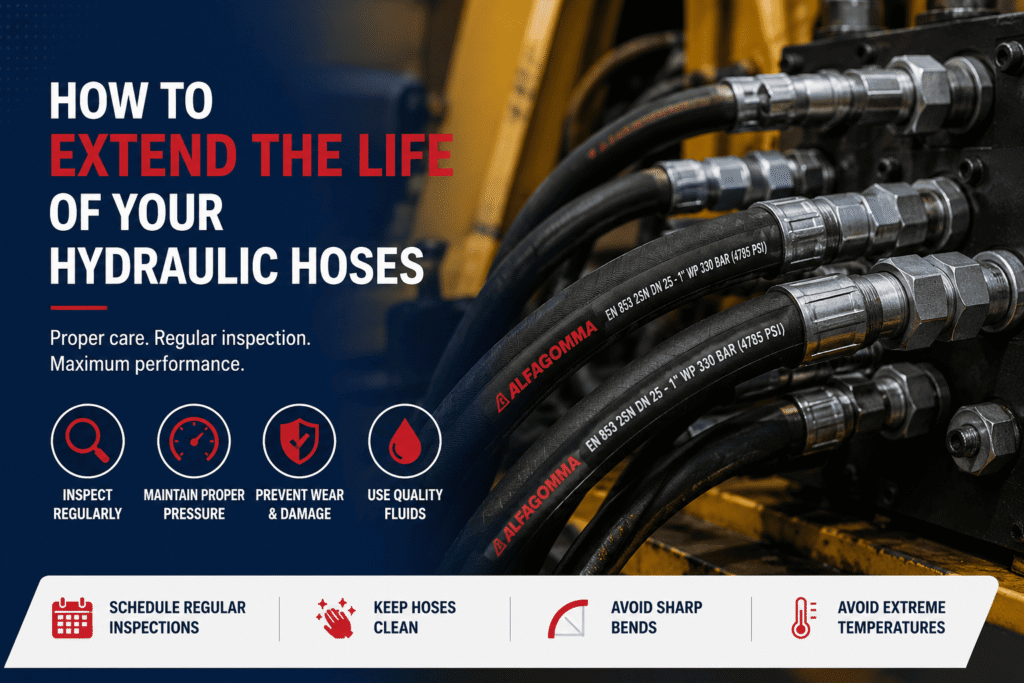
Hydraulic systems are the backbone of many industries, powering equipment used in construction, manufacturing, agriculture, mining, transportation, marine operations, and industrial production. At the center of every reliable hydraulic system are hydraulic hoses, which transport pressurized hydraulic fluid safely and efficiently.
Although hydraulic hoses are designed to withstand demanding operating conditions, they do not last forever. Constant pressure, extreme temperatures, vibration, and environmental exposure gradually weaken hose performance. Ignoring early warning signs can lead to unexpected equipment failure, costly downtime, environmental contamination, and serious safety hazards.
The good news is that most hydraulic hose failures show visible signs before they become catastrophic. By recognizing these warning signals early, businesses can replace worn hoses before they fail.
In this guide, we highlight five common signs that indicate your hydraulic hoses need immediate replacement.
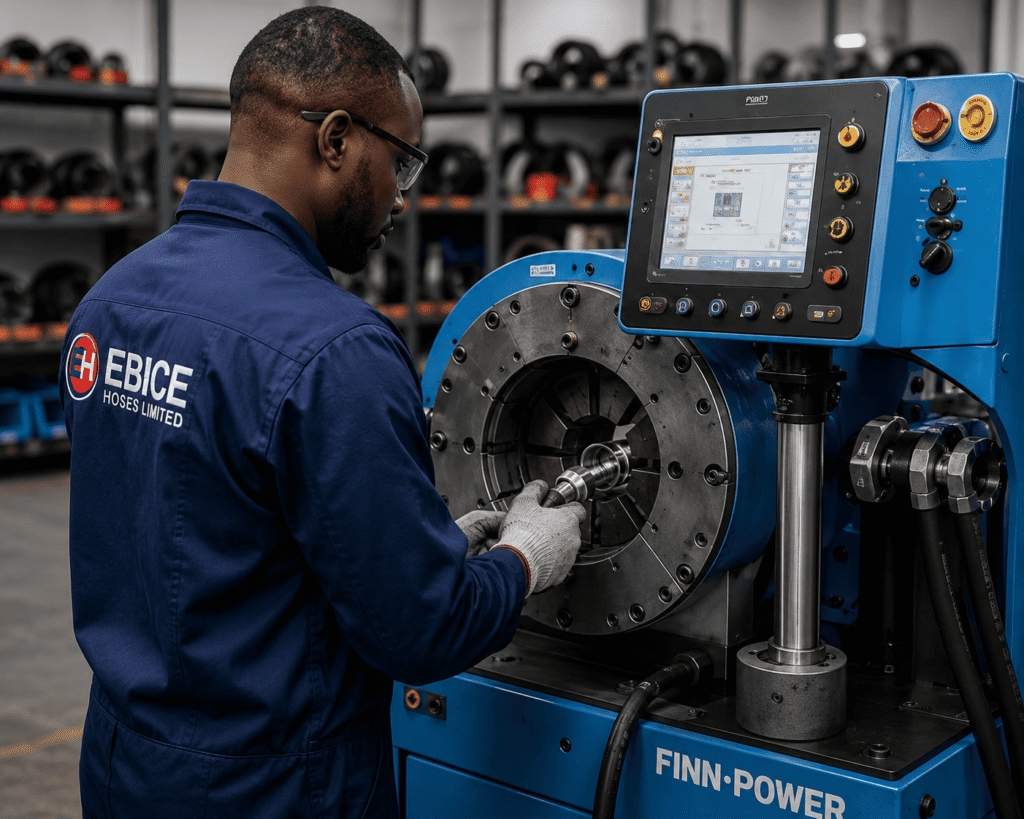
1. Visible Cracks, Cuts, or Abrasion on Hydraulic Hoses
One of the easiest warning signs to identify is physical damage on the outer hose cover.
Hydraulic hoses are constantly exposed to:
- Friction against machinery
- Sharp edges
- UV exposure
- Oil contamination
- Dirt and debris
- Harsh weather conditions
Over time, the protective outer layer begins to deteriorate. Small surface cracks may seem harmless, but they expose the reinforcement layer inside the hose. Once this happens, the hose becomes much more vulnerable to bursting under pressure.
Inspect your hydraulic hoses regularly for:
- Cracks
- Frayed coverings
- Deep abrasions
- Cuts
- Bulges
- Exposed reinforcement wires
Replacing a damaged hose early is significantly less expensive than repairing a failed hydraulic system.
2. Oil Leaks Around Hose Connections
Hydraulic fluid leaks are another clear indication that your hose requires attention.
Leaks commonly occur around:
- Hose fittings
- Crimped connections
- Couplings
- Damaged hose walls
Even a minor leak can reduce system efficiency, lower hydraulic pressure, and contaminate the surrounding work environment.
Ignoring leaks can eventually lead to:
- Equipment failure
- Increased maintenance costs
- Environmental hazards
- Workplace safety risks
Routine inspections should include checking for oil residue around fittings and hose assemblies. According to guidance from OSHA, hydraulic leaks can present significant safety risks and should be addressed promptly.
3. Bulges, Blisters, or Soft Spots
Why Bulges Mean Your Hydraulic Hoses Are Close to Failure
Bulges or blisters usually indicate that the internal reinforcement of the hose has separated from the outer rubber cover.
This damage often results from:
- Pressure spikes
- Incorrect hose selection
- Internal wear
- Excessive heat
- Manufacturing fatigue
Once a hose begins to swell, it has already lost much of its structural integrity.
Never continue operating equipment with a swollen hydraulic hose. The internal pressure may cause the hose to rupture without warning, resulting in costly downtime and potential injuries.
Replacing the hose immediately is the safest option.
4. Reduced Equipment Performance
Many operators assume poor machine performance is caused by pumps or valves. In reality, worn hydraulic hoses are often responsible.
Common symptoms include:
- Slow cylinder movement
- Reduced lifting capacity
- Pressure loss
- Delayed machine response
- Inconsistent hydraulic performance
Internal hose deterioration can restrict fluid flow even when the outside appears normal.
If your equipment suddenly performs below normal, inspecting your hydraulic hoses should be one of the first maintenance steps.
Preventive inspections help identify hidden issues before they affect productivity.
5. The Hose Has Exceeded Its Service Life
Replace Hydraulic Hoses Before Age Causes Failure
Even when no visible damage exists, every hydraulic hose has a limited service life.
Factors that influence lifespan include:
- Operating pressure
- Temperature
- Flexing frequency
- Fluid compatibility
- Installation quality
- Environmental conditions
Many businesses only replace hoses after failure. However, preventive replacement is a smarter maintenance strategy because it minimizes unexpected downtime and protects expensive hydraulic equipment.
Maintaining detailed service records allows maintenance teams to replace hoses at appropriate intervals rather than waiting for breakdowns.
The National Fluid Power Association (NFPA) recommends proactive maintenance practices to improve hydraulic system reliability.
Waiting until a hose bursts often leads to:
Why Preventive Hydraulic Hoses Replacement Matters
- Emergency repairs
- Production delays
- Lost revenue
- Equipment damage
- Increased maintenance costs
- Safety incidents
A proactive maintenance program helps businesses:
- Improve equipment reliability
- Reduce downtime
- Increase operator safety
- Extend machine lifespan
- Lower operating costs
Investing in quality hydraulic hoses and replacing them before failure is one of the most cost-effective maintenance decisions any industrial operation can make.
Why Choose Ebice Hoses?
At Ebice Hoses, we supply high-quality hydraulic hoses, industrial hoses, hose fittings, accessories, and lubricants designed to meet the demands of multiple industries, including construction, manufacturing, marine, transportation, agriculture, and heavy equipment operations.
Our experienced team helps customers select the right hose solution based on operating pressure, application, and environmental conditions.
Whether you need replacement hoses, industrial fittings, or reliable maintenance support, Ebice Hoses is committed to delivering dependable products that keep your operations running efficiently.
Conclusion
Hydraulic hose failure rarely happens without warning. Cracks, leaks, bulges, reduced performance, and aging hoses all indicate that replacement is necessary.
Routine inspections and preventive maintenance can significantly reduce downtime, improve workplace safety, and extend the life of your hydraulic systems.
If your equipment is showing any of these warning signs, do not wait for a costly breakdown.
Looking for premium hydraulic hoses that deliver reliable performance?
Explore our range of hydraulic hoses, industrial hoses, fittings, accessories, and lubricants or contact Ebice Hoses today for expert guidance on choosing the right solution for your equipment.